
Join the racial healing journey
Celebrate truth, solidarity and our shared values for the National Day of Racial Healing. Join in by sharing a few details about your event using this confidential form.
Specific information about your event will not be published publicly, but will help us track progress and growth of the movement.
When you register your event or activity, it becomes part of our national tally. Together, these moments tell a powerful story of hope, growth and community. You’ll have the option to tell us if you’d like your event to be considered for post-event stories on our digital platforms.


Virginia
There is 1 event in Virginia.
GET YOUR ACTION KITS!
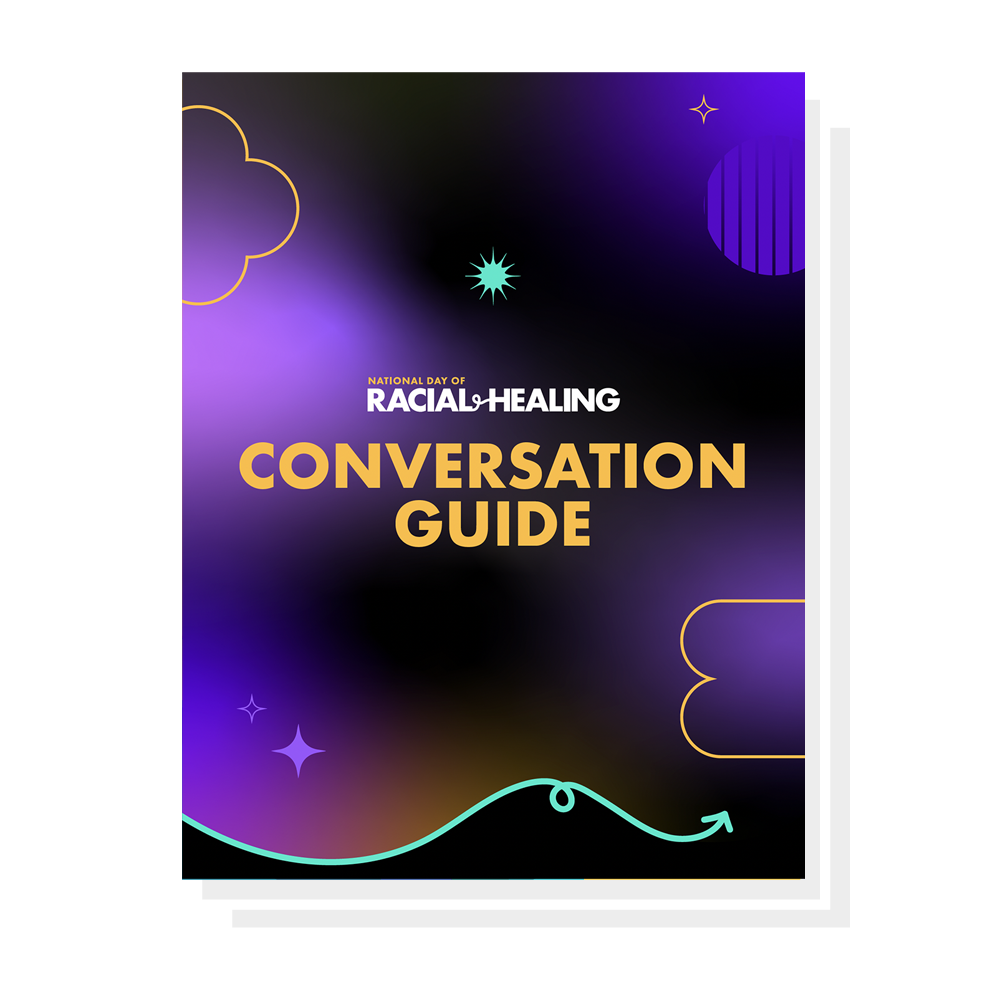
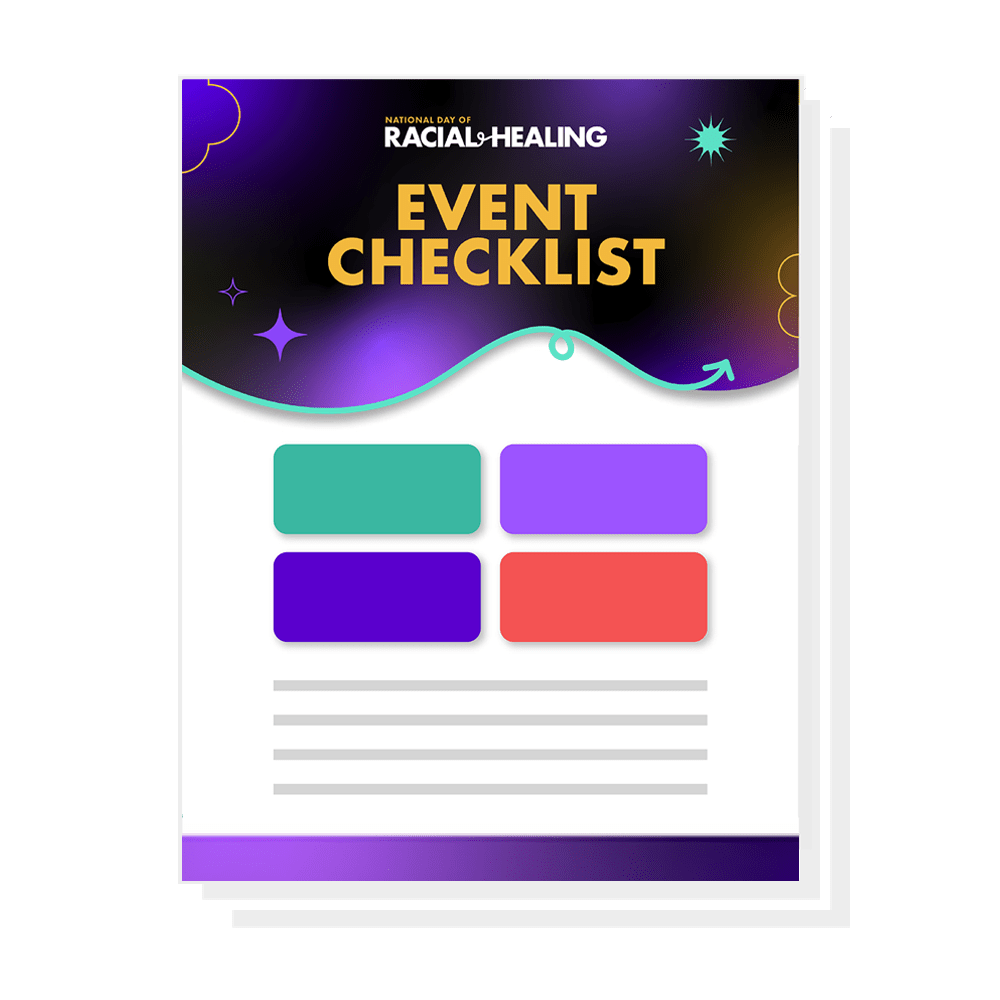
Planning an event for National Day of Racial Healing? These guides provide ways to engage kids, professionals and policymakers in memorable events.
TIPS
Top 10 Tips for Capturing the Story of Your National Day of Racial Healing
Photos help tell the story of how healing looks, feels and unfolds in real time. Whether you’re using a smartphone or a camera, these tips will help you capture the heart of your event—so your community’s story shines through.
- Focus on Connection, Not Perfection
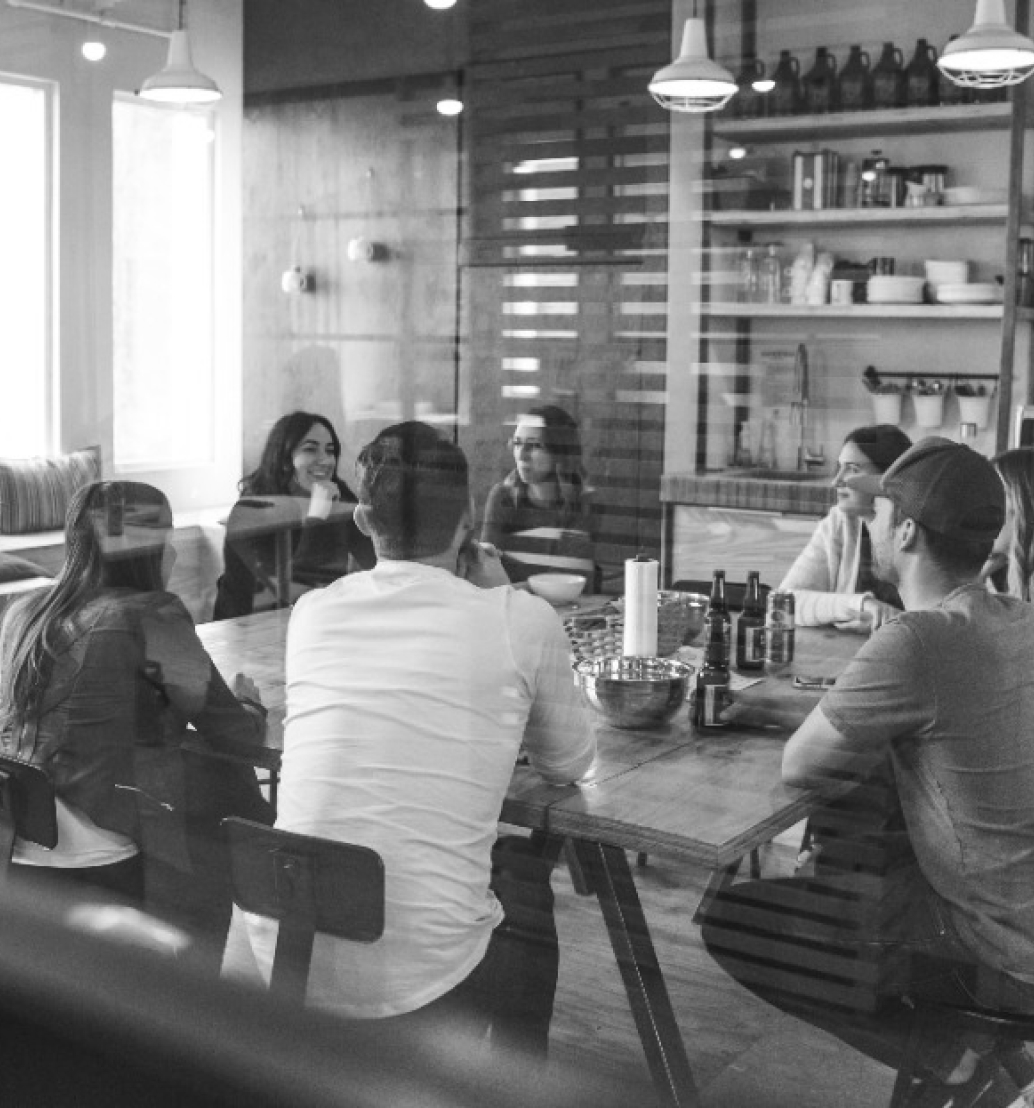
Don’t worry about professional polish. What matters most is showing people connecting — listening, laughing, embracing, creating together. Healing is about relationship, not angles. - Show Faces and Feelings
Photos with visible expressions—smiles, tears, focus, warmth—invite others into the moment. Try to capture faces, not backs of heads or distant crowds. - Tell a Story in Three Shots
Think of your photos like a mini-story:
– A wide shot that sets the scene
– A medium shot that shows interaction
– A close-up that captures emotion or detail (hands, art, shared looks)
Together, they tell the “who, where, and why” of your event. - Use Natural Light Whenever Possible
Good light = great energy. Position people near windows, doors, or outside under shade. Avoid harsh overhead lighting or bright sunlight that makes people squint. - Capture Action and Movement
Healing happens in motion—people sharing ideas, planting, cooking, dancing, creating. Try photographing moments of doing, not just sitting or speaking. - Frame with Intention
Take a second to check your frame:
– Keep your subject centered or slightly off-center for interest.
– Avoid cutting off heads or feet.
– Look for clean backgrounds (fewer distractions = stronger focus). - Include Signs, Artwork, and Context
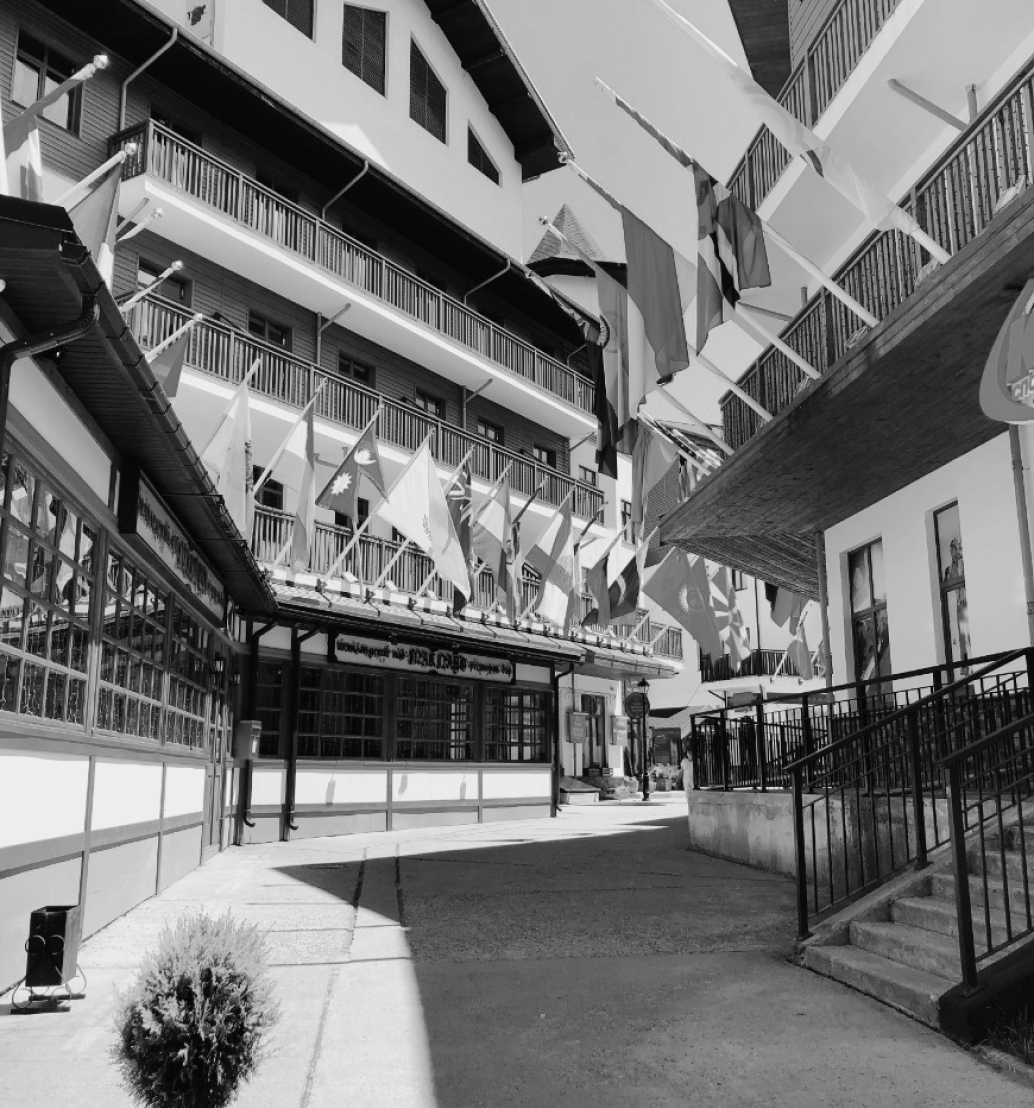
If your event includes banners, murals, or local landmarks, weave them in. These details make your photos distinct and help show where the story is rooted. - Invite Participation
Ask a volunteer to be your “photo buddy.” They can capture moments while you engage fully in the event. Encourage participants to share their own photos too—different perspectives enrich the story. - Representation
Show the diversity of who’s present—across age, race, culture, ability, and roles. Healing work is collective; your photos should reflect that inclusivity. - End with a Joy Shot
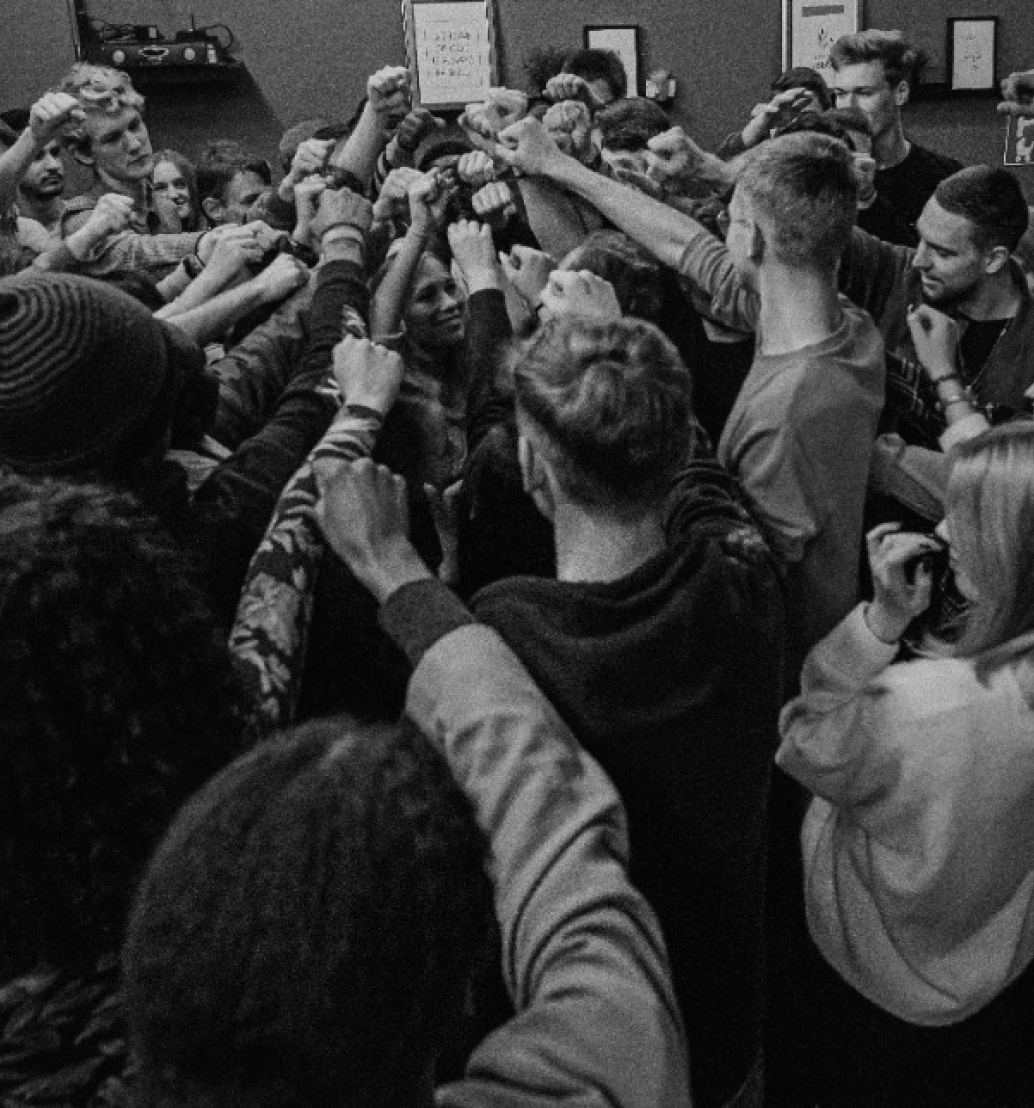
Before everyone leaves, gather for one photo that radiates the day’s spirit—hands in, smiles, laughter, a group embrace. That one image can capture the hope and humanity behind racial healing.
✨Bonus Tip:
When you share your photos, add a short caption that answers:
Who’s in the photo? What’s happening? Why does it matter?
A few words of context can transform an image into a story.